 |
|||||||
 |
|||||||
 |
 |
 |
 |
 |
 |
 |
|
 |
|||||||
 |
|||||||
 |
|||||||
 |
|||||||
|
|
|||||||
|
|
|||||||
|
|
|||||||
|
|
|||||||
 |
|||||||
 |
|||||||
 |
|||||||
 |
 |
||||||
 |
|||||||
 |
|||||||
 |
|
|
|
|
|
|
|


Foundation Antidote Bulgaria
Depressants
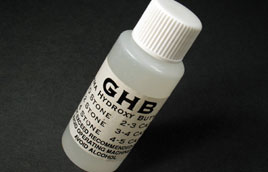
In this large and many-sided group are included substances with depressive action
on the CNS. These are synthetic products with medical application and often abuse in spite
of their write out with special prescription. They found application in anesthesia and as anticonvulsant,
but mainly they are used in treatment of insomnia, inconvenience and mental strain.
Most of the depressants are representatives of two groups of substances: barbiturates and benzodiazepines
/more used nowadays/. Similar are meprobamate, glutethimide, and methaqualon.
More popular becomes illegal product gamma-hydroxybutyrate (GHB),
proposed in liquid form salty, without taste and scentless.
Inhalants

Many gases and easily evaporating liquid with varied chemical structure have influence on the CNS.
They are called inhalants, because breathing /inhalation/ is their only way for use.
Such are laughing gas, ether, chloroform and a lot of organic dissolvent
in many chemical products of industry and home uses – glue, paints and varnish.
They can be breathed directly, but often from wetted piece of cloth or put them in plastic bag and user inhalates
many times. To this group are included some organic nitrites – amyl nitrite and butyl nitrite.
Stimulants
Stimulants of the CNS are important traditional products
like coffee and coca and also so modern this days synthetic amphetamines.

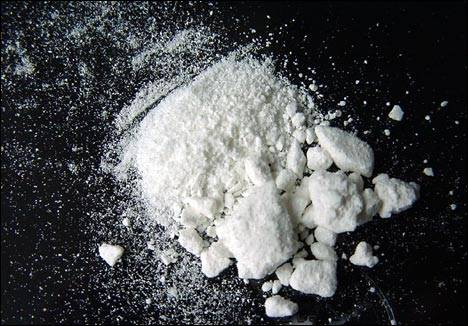
Cocaine. Cocaine is extracted from a leaf of evergreen bush (Erythroxylon coca)
in South America /mainly Peru, Bolivia, Columbia /. It’s on sale like white dust,
which usually is putted on the hard, smooth surface, divided on lines and snuff up.
It can be turned into base like small lumps /crack/ and to smoke.

Amphetamines.The amphetamines are suitable synthetic alternative of cocaine;
their illegal production is easy and cheap.
They can be taken through mouth as pills and they can be sniffle, smoked or injected.
Widespread are amphetamine and methamphetamine, but there are others like captagon, methcathinone etc.